The case for a slower app store
A coalition of small software teams is experimenting with review windows, repair-first updates, and patience.
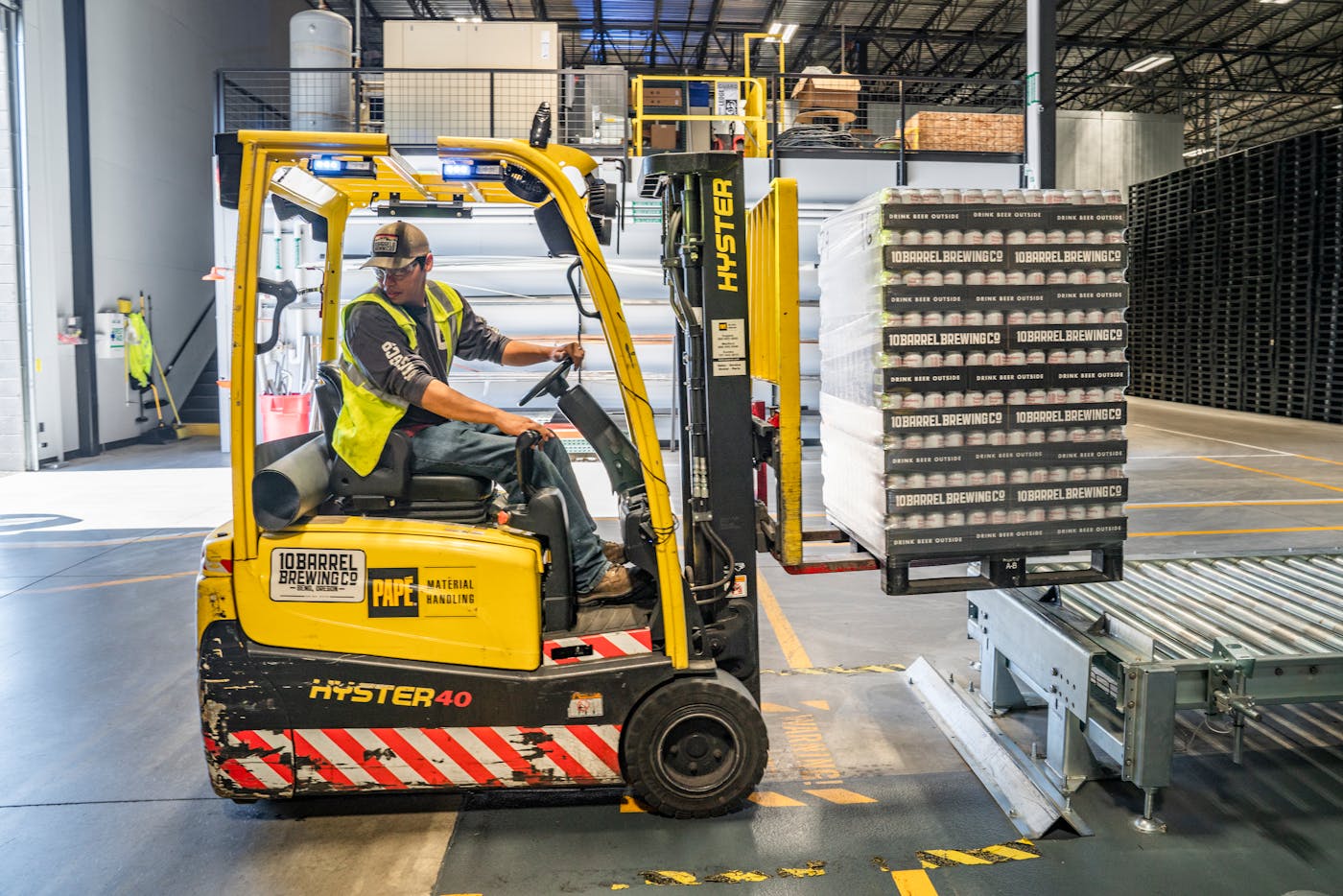
Maintenance as a model: the warehouse that ships slowly and never breaks down.
The coalition's manifesto fits on an index card: ship twice a year, fix things first, never break a workflow to chase a trend. Forty small software teams have signed it — and their customers, remarkably, have noticed the difference.
The argument is industrial, not aesthetic. Every rushed release carries support costs; every redesign taxes users' time. The coalition's members publish their numbers to prove it: support tickets down, retention up, and developers who sleep through launch nights.
Review windows, not launch days
Instead of release-day theatrics, members run month-long review windows: users try changes at their own pace, report friction, and watch it fixed before anything becomes mandatory. “Our users test our software by living in it,” one founder says. “We stopped evicting them for renovations.”
Repair-first updates
The coalition's rulebook requires every release to fix more old bugs than it adds new features — measured, published, audited by peers. The discipline compounds: the oldest member's software now crashes less often than the operating systems it runs on, a statistic its marketing mentions constantly.
Key points
- Forty teams pledge twice-yearly releases and repair-first updates
- Review windows replace launch days across member products
- Support tickets down; retention up across the coalition
The giants are unlikely to follow — their business is attention, and attention loves novelty. But in the unglamorous software that runs payrolls, surgeries and schools, slow is starting to look like a strategy rather than a failure.
Related stories



Signals, weekly, in plain English.
The technology stories that will matter to public life — without the hype cycle.