The rooftops quietly turning into a power plant
A film from the roofs of midtown, where solar arrays, battery rooms, and building codes are converging.
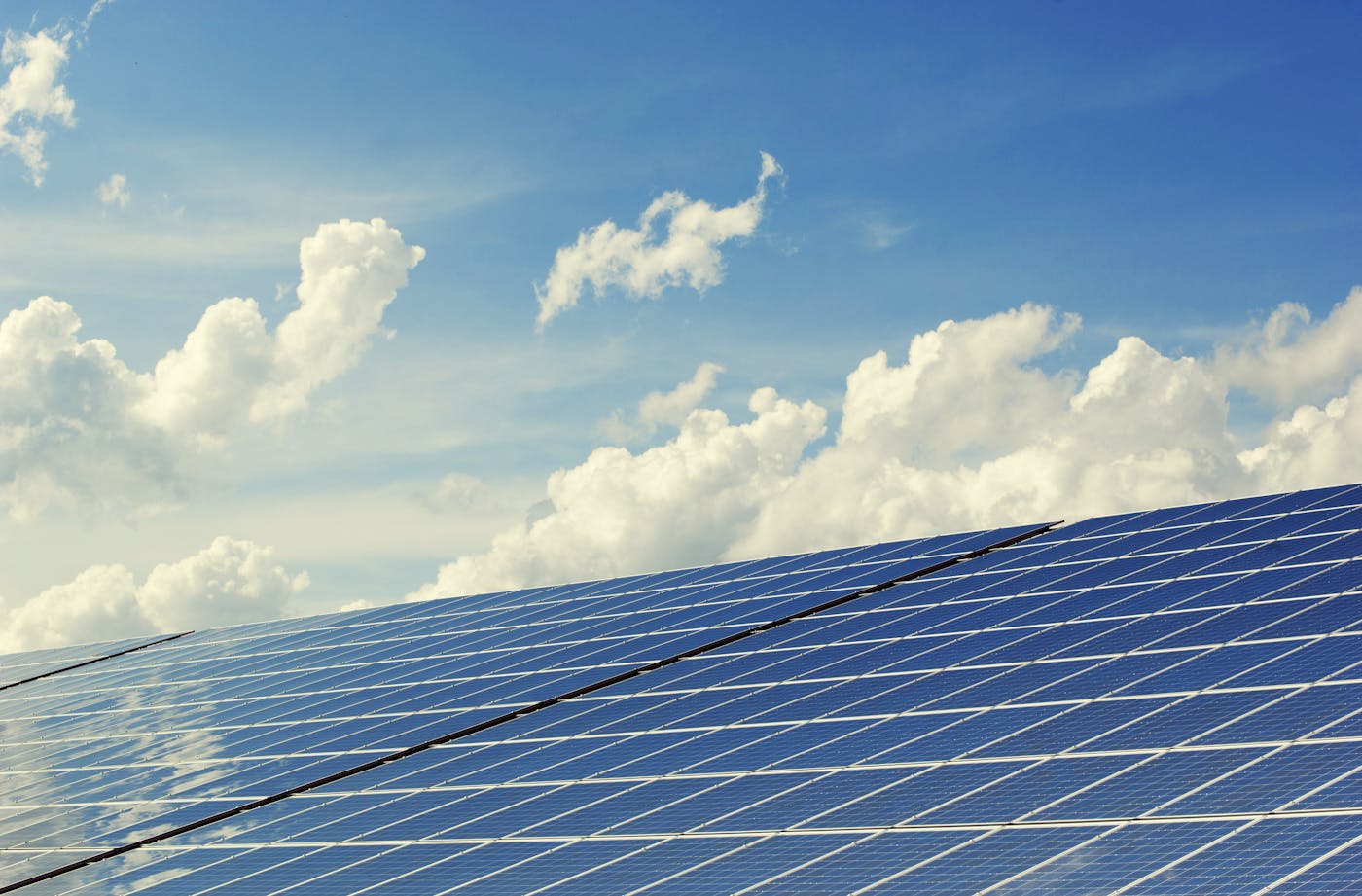
Midtown, 7:40 a.m.: the roofscape now generates a fifth of the district's daytime load.
From the street, midtown looks unchanged. From the roofs, it is a different district: three thousand solar arrays, four hundred battery rooms, and a maintenance crew that starts before the bakeries open.
Nobody planned a power plant here. It accumulated — one landlord at a time, one code revision at a time — until the grid operator looked up and realised the rooftops were the fastest-growing generator on the network.
The code did the work
The turning point was unglamorous: a building-code update that made solar-ready roofs mandatory on major refurbishments, paired with a rule letting neighbours sell power across property lines. Within two years, whole blocks were wiring themselves together.

The district from above: every third roof now carries generation or storage.
Batteries in the basement
The panels get the photographs; the batteries do the work. Basement battery rooms buy cheap night power, store the midday surplus, and sell it back at six in the evening — a routine so profitable that two landlords now describe themselves, only half joking, as utilities with tenants attached.
Key points
- Rooftop arrays meet a fifth of midtown's daytime demand
- Code change on solar-ready roofs triggered the build-out
- Cross-property trading lets whole blocks share surplus
The film crew packed up as the evening peak began and the batteries, all over midtown, quietly took over. The power plant nobody built hummed on — invisible from the street, unmistakable from the roof.
Related stories


Your city, explained weekly.
Housing, transport and the built environment — reported properly, every morning.