Solar grids learn to forecast demand
Neighbourhood batteries and better weather models are helping small operators plan for cloudy weeks.
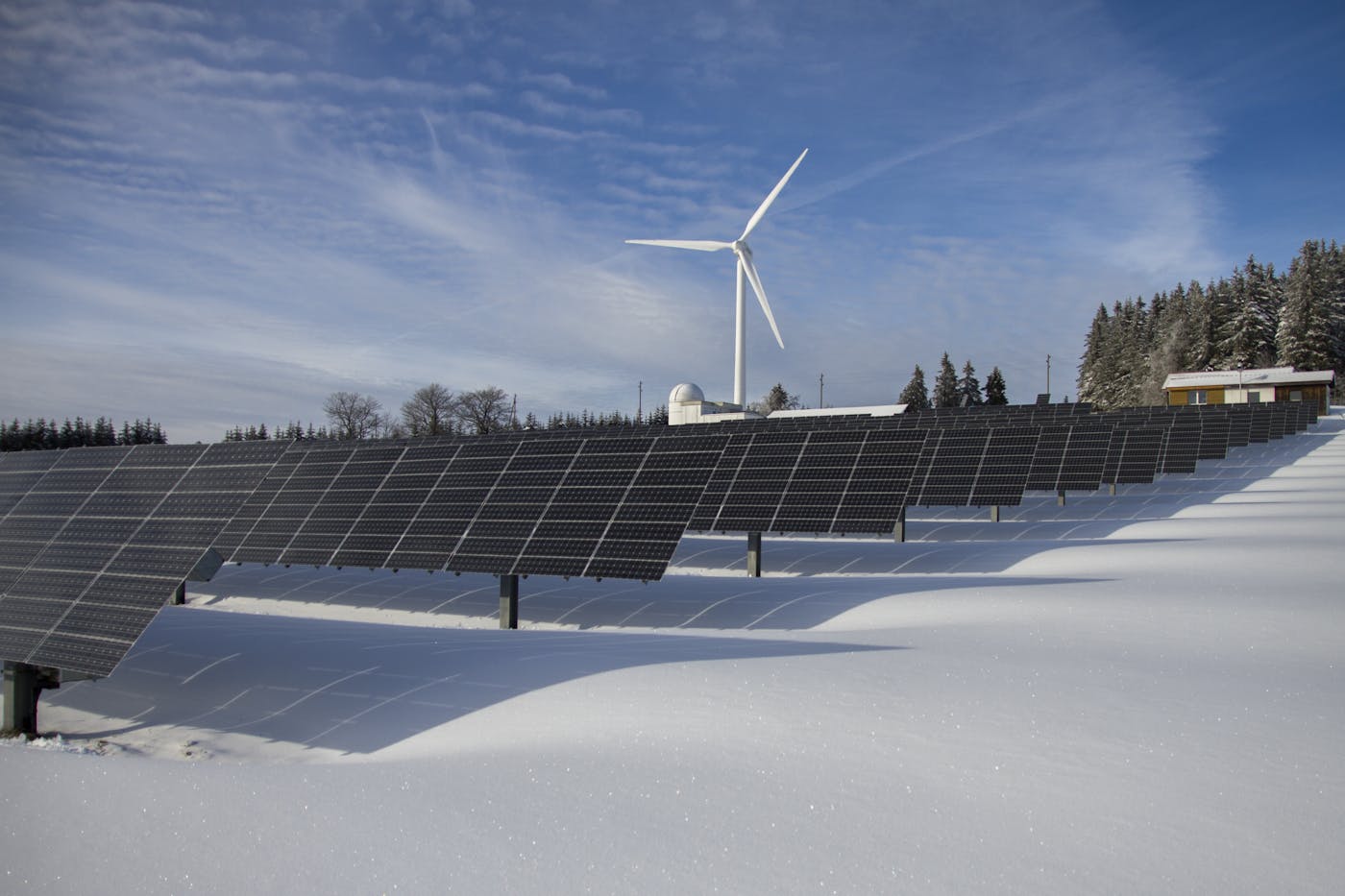
Forecasting weather and watts together: the operator's new morning routine.
The hardest week in a solar operator's year is not the darkest — it's the most changeable. Clouds that arrive an hour early can strand a neighbourhood's evening peak. This year, for the first time, the small grids saw them coming.
The change is forecasting at street resolution: satellite nowcasts updated every ten minutes, fed straight into battery dispatch. When the cloud band tilts, the batteries lean in before the panels dip — a handoff measured in minutes that saves the evening.
Batteries that read the sky
The economics hinge on one insight: a battery earns its keep not by storing the most energy but by being full at the right moment. Operators now charge on weather, not habit — topping up from the grid ahead of a grey spell, then selling the stored sunshine back through it.
Small grids, shared forecasts
No single neighbourhood can afford its own meteorology department, so twelve operators pooled their data into a shared forecasting cooperative. Each member's panels improve the model for all the others — the rare network effect that gets stronger the cloudier it gets.
Key points
- Ten-minute satellite nowcasts drive battery dispatch
- Charging follows weather forecasts, not fixed schedules
- Twelve operators share data in a forecasting cooperative
Last month's grey spell — nine days, one clearing — passed without a single outage across the cooperative's streets. The operators celebrated with the traditional ceremony: absolutely nothing happened, and everyone noticed.
Related stories



Signals, weekly, in plain English.
The technology stories that will matter to public life — without the hype cycle.