Testing a quieter supply chain
New routing software, electric yard vehicles, and tighter berthing windows are changing the night shift.
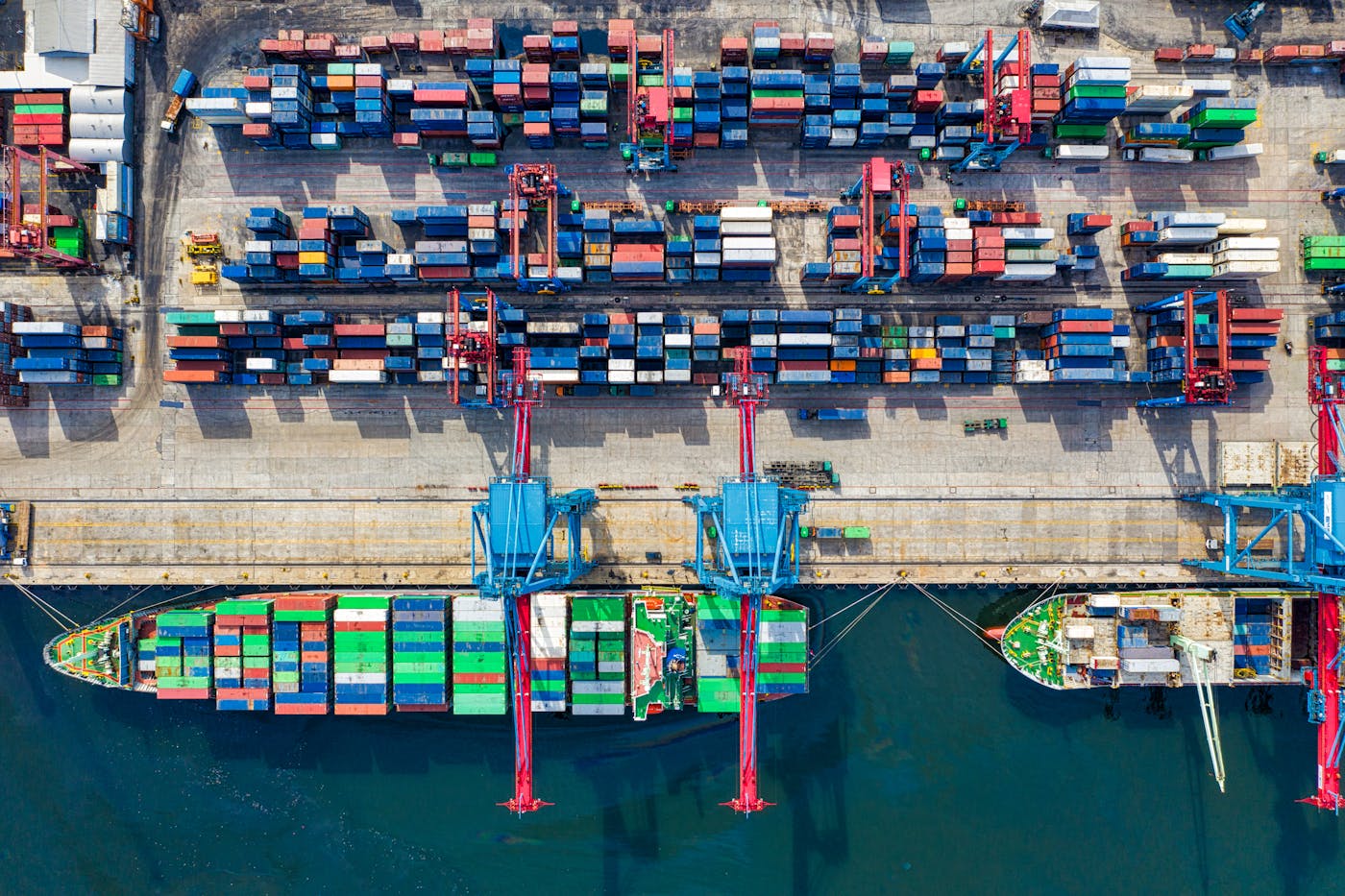
The night plan: fewer moves, fuller loads, quieter engines.
The port used to compete on noise — more cranes, more trucks, more hours. The new competition is silence: fewer empty moves, fuller ships, and a night shift you can sleep next to.
The pilot covers one terminal and twelve months. Routing software sequences every container move before the ship ties up; electric yard tractors replace the diesel fleet; berthing windows tighten from six hours to two. Early results beat every projection.
The software sees the whole board
The routing engine's trick is treating the terminal as one puzzle instead of a hundred separate jobs. Empty runs — the industry's open secret, a third of all yard moves — fell by half in the first quarter. Fuel use fell further. The planners, initially sceptical, now describe the old method as “driving with the mirrors painted over.”
Quieter is cheaper
The surprise is the economics. Night surcharges fell because neighbours stopped complaining; insurance fell because the yard got calmer; staff turnover fell because the shift got saner. The terminal's director puts it bluntly: “Quiet turned out to be a cost strategy wearing a hi-vis vest.”
Key points
- Empty yard moves halved in the first quarter of the pilot
- Electric tractors replace diesel across the terminal
- Berthing windows tightened from six hours to two
Two rival ports have licensed the software and one airport is asking whether the same logic works for baggage. The night shift, long the loudest part of logistics, is becoming its quietest — and, against all tradition, its most profitable.
Related stories



Business news that respects your time.
Three business stories every weekday morning, each readable in under four minutes.