Learning to share a crowded sky
Satellite trails are now a routine line in the observing log, and the fix is turning out to be diplomatic.
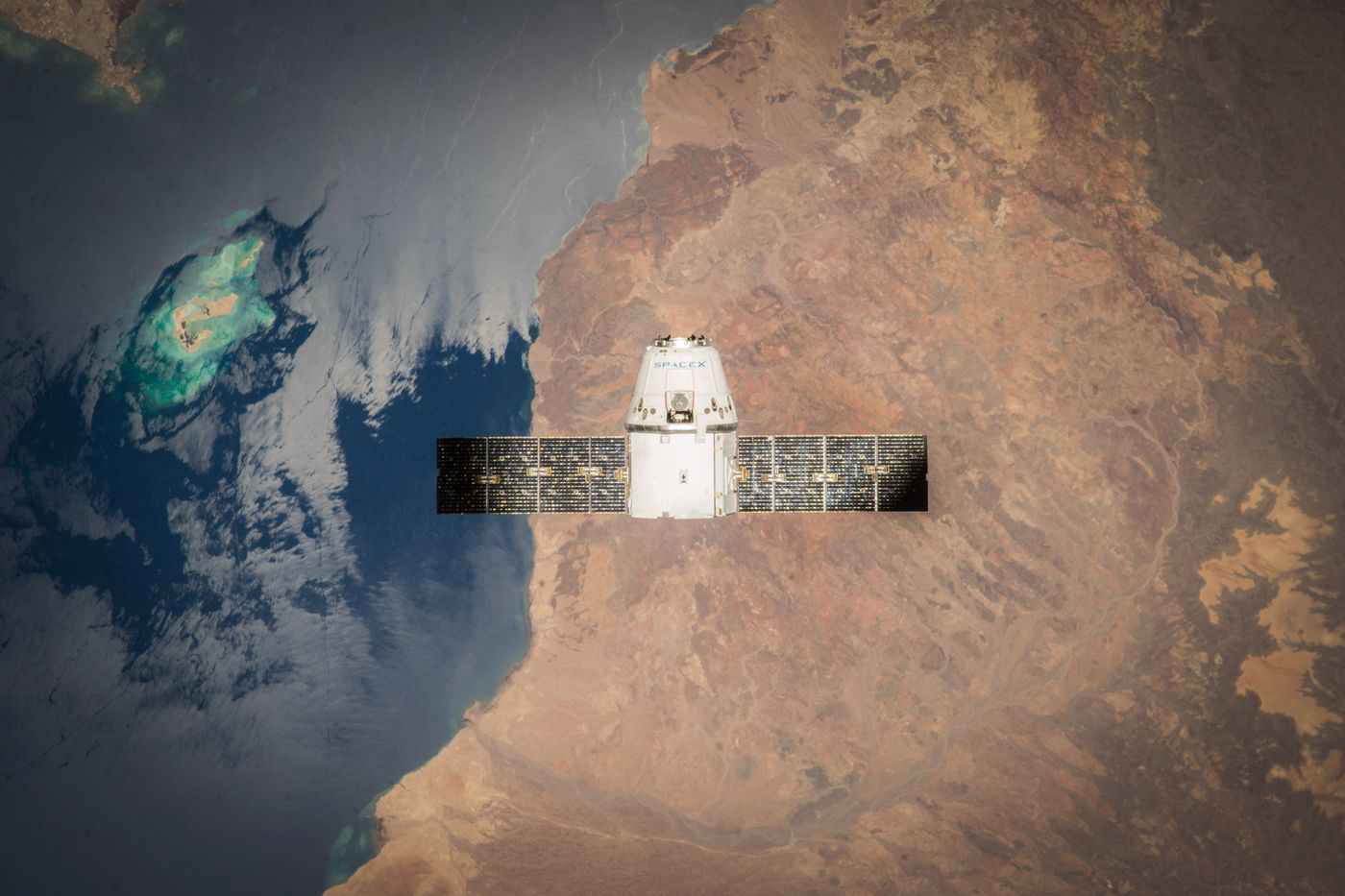
Low orbit, high traffic: every streak in the frame is something somebody owns.
The observatory's log used to note weather, equipment, and the occasional aircraft. Now it has a fourth entry — satellite trains — and on a busy night it is the longest one.
Astronomers were the first to complain, but they will not be the last to negotiate. Orbital slots, radio frequencies and re-entry windows are all finite, and the queue for them now includes broadband fleets, weather monitors, and three separate space stations' worth of supply traffic.
Traffic rules for orbit
The emerging answer looks less like engineering and more like air-traffic control: shared ephemeris data, agreed keep-out volumes around science missions, and brightness limits with actual penalties. Operators that once treated coordination as optional now staff it around the clock.
The diplomats arrive
The hard part is jurisdiction. A satellite is licensed in one country, launched in another, and photographed from a third. The working groups hammering out the rules meet quarterly, argue constantly, and — to everyone's surprise — keep reaching agreement, because collisions are the one outcome nobody wants.
Key points
- Active satellites tripled in six years; debris tracking doubled
- Shared traffic data and keep-out volumes now standard practice
- Brightness limits for new fleets under negotiation
On the observatory's roof, the director shows us the latest log entry: a clean night, two trails, both dodged by scheduling around them. “Sharing,” she says, “is a technology too. We just had to invent it at 500 kilometres up.”
Related stories



Signals, weekly, in plain English.
The technology stories that will matter to public life — without the hype cycle.