When the forest becomes a line in the budget
Conservation now competes with roads and schools for the same protected line item. A journey along it.
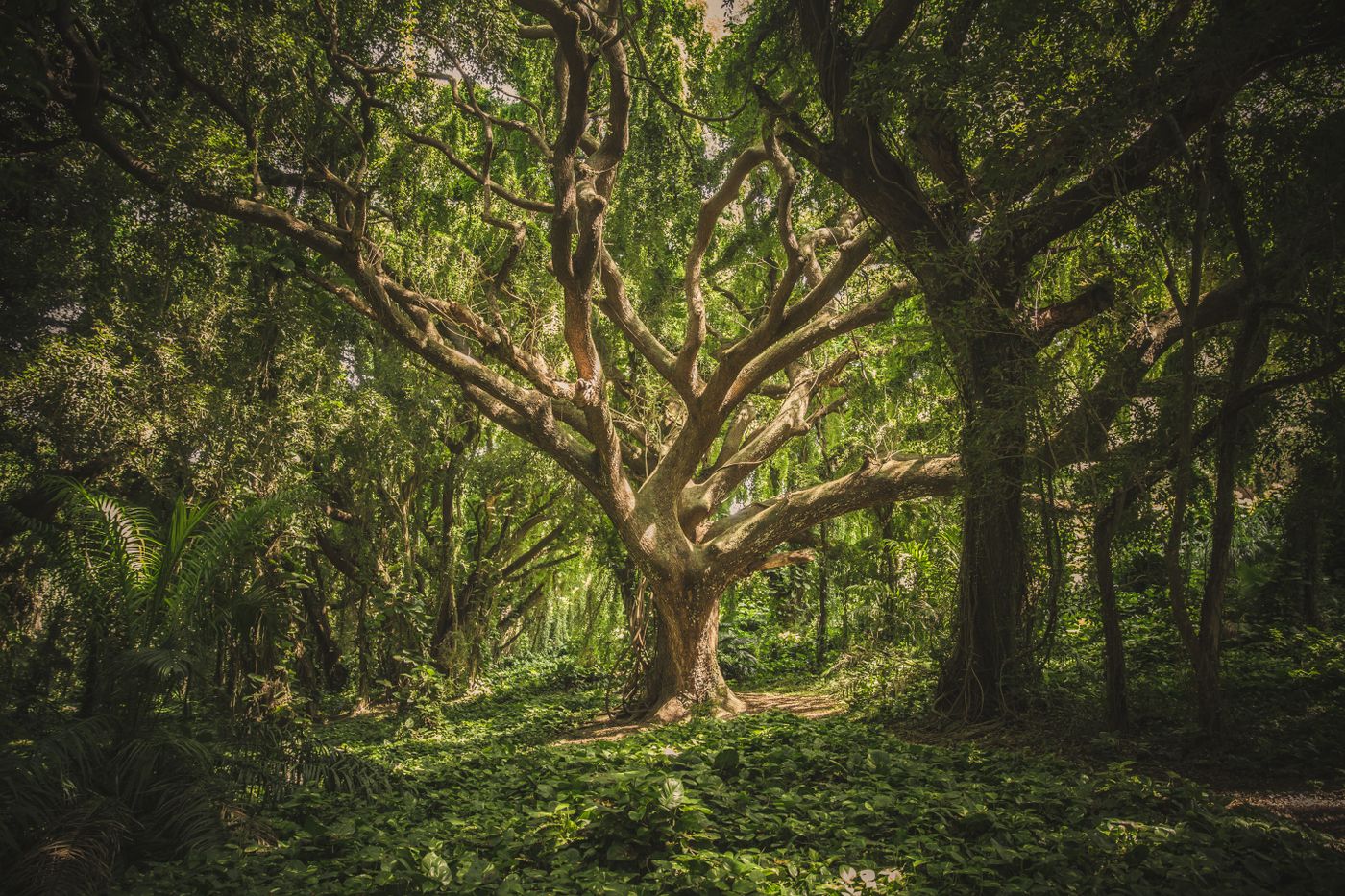
Old growth, new accounting: every hectare now carries a budget code.
The forest is 400 years old. Its budget line is four years old, and this spring the two collided: a protected conservation allocation, raided in draft after draft to patch road maintenance, until foresters learned to lobby like a teachers' union.
They learned fast. By the final vote the forest had a caucus, a costing model, and a slogan — “a road takes you somewhere; a forest keeps you somewhere” — that appeared, to everyone's surprise, on placards outside the assembly.
Pricing the unpriceable
The foresters' winning move was fluency in finance. They costed flood retention, pollination, timber, tourism and carbon in the Treasury's own format, and showed the forest returning multiples of its allocation. Purists hated it; the budget committee passed it unanimously.
A line worth defending
The allocation survived with a new protection: multi-year ring-fencing, the same status as school funding. Other conservation groups are already copying the playbook, and the Treasury — which respects nothing so much as a well-costed argument — has started asking what else it has been underpricing.
Key points
- Forest allocation survives raid attempts with multi-year protection
- Natural-capital costing done in the Treasury's own format
- Model now being copied by three other conservation groups
Walking out under the canopy, the chief forester admits the ambivalence: “Every number in that model is a guess wearing a suit.” Then she looks up at 400 years of compound interest and smiles. “But so is every number in the budget.”
Related stories



Follow the money, every morning.
Climate, budgets and the negotiations behind them, in one weekday email.